Before You Book an Intrastate Mover in Northern California
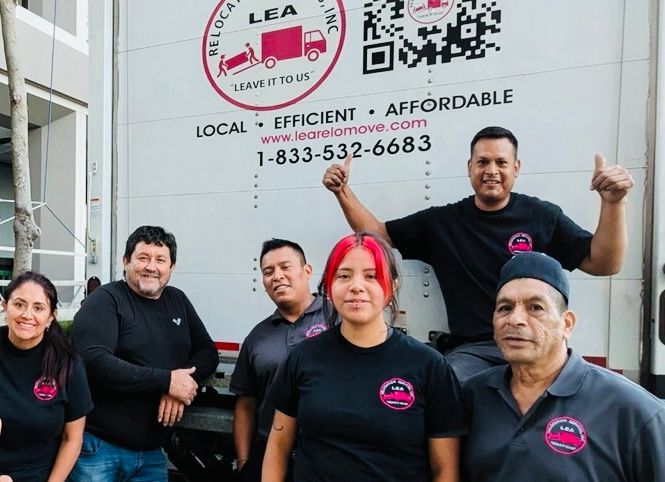
Moving across the state requires a much different approach than shifting boxes down the street. Many homeowners jump into binding agreements without understanding the hidden costs of regional transport. LEA Relocation Services Inc knows exactly how frustrating it is when surprise fees show up on the final bill. We put together this guide so you know what to expect before booking an intrastate mover in California.
The logistics of navigating winding roads in Contra Costa county or steep hills in San Francisco demand experienced crews. Standard local movers often lack the heavy duty trucks needed for long hauls. Knowing exactly what to look for keeps your belongings safe and your budget intact. Here is what you need to know before making your final decision regarding your upcoming household transition.
Guide Contents:
- Navigating Regional Transport Rules
- What should I look for in a moving company contract?
- Recognizing Industry Red Flags
- Crucial Questions to Ask First
- Confidently Planning Your Transition
Navigating Regional Transport Rules
Regional jobs involve strict highway weigh stations and specific payload limits that local hourly jobs ignore. Estimating these figures incorrectly results in massive overcharges on the day of the job. You must provide a highly detailed inventory so the estimator calculates the truck payload perfectly. Doing this early prevents the crew from running out of space on the truck. Moving companies are heavily penalized for overweight vehicles on public highways.
• Accurate Inventorying: List every single piece of heavy furniture so the office can dispatch a truck with the correct weight capacity.
• Route Planning: Consider bridge tolls and commercial truck route restrictions between Alameda and your new destination.
• Access Obstacles: Note any narrow driveways or lack of street parking that might require smaller shuttle vehicles to transport goods from the curb.
What should I look for in a moving company contract?
Never sign a blank document or an estimate that lacks specific delivery dates. A legitimate bill of lading must clearly state the exact liability coverage in case a worker drops a television or scratches a dining table. You also need to verify that the paperwork includes their active state license number for operating legally within the region. Reading the fine print about cancellation policies saves you from losing a massive deposit if your closing date changes. Always demand an itemized breakdown of any specialized packing materials.
Recognizing Industry Red Flags
Protecting your household goods means spotting bad operators before they load your furniture. The Northern California region has plenty of unethical operators who rely on confusing paperwork to overcharge clients. Avoiding these common traps keeps your belongings out of the hands of amateur brokers. Taking a few extra minutes to research a company prevents thousands of dollars in lost property.
• Unmarked Vehicles: Avoid crews that show up in generic rental trucks instead of branded company fleets with proper state identification numbers.
• Cash Demands: Walk away from any estimator who demands a massive cash deposit upfront to hold a date on the calendar.
• Vague Pricing: Reject quotes that group all labor and transport into one vague lump sum without detailing the exact hourly rates or weight charges.
Crucial Questions to Ask First
Taking control of the interview process helps you filter out inexperienced laborers and identify true professionals. You need to know exactly who will be walking through your front door and handling your most valuable possessions. Do not hesitate to grill the estimator about their daily operational standards. A trustworthy company will gladly explain their internal training methods without getting defensive.
• Crew Makeup: Ask if the company uses permanent trained staff or temporary day laborers hired that morning from a staffing agency.
• Property Protection: Inquire about the exact materials they bring to shield your hardwood floors and doorframes from heavy gouges during the loading phase.
• Specialized Handling: Check if they have the right rigging equipment for heavy items or if they offer dedicated senior relocation services for aging relatives.
Confidently Planning Your Transition
Asking the right questions upfront removes the stress from a major residential relocation. Taking the time to vet your options ensures your property arrives safely and your final bill matches your expectations. Contact our office today to schedule an honest walk through for your upcoming move.